Hours: 3 Approvals: ARF, RCFE, APPROVED ALZHEIMER'S DEMENTIA
Course Summary
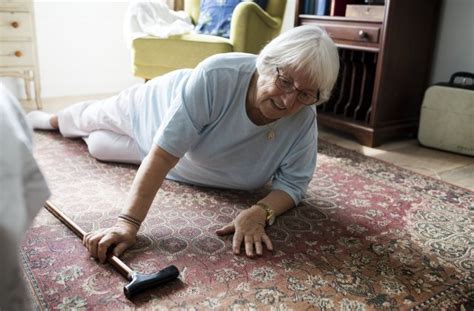
Falls are a major and recurring safety issue for older adults and other at-risk populations in licensed residential care. The Centers for Disease Control and Prevention reports that falls are a leading cause of injury among older adults, and a meaningful portion of falls result in serious injury such as fractures or head injury. This course prepares RCFE and ARF administrators to manage fall risk as an operational responsibility through compliant systems for environmental safety, supervision, staffing practices, documentation, communication, and follow-through after falls and near-falls.
Residents living with dementia may have increased fall risk due to changes in judgment, perception, mobility, sleep-wake patterns, and the ability to communicate needs. In dementia care, falls and fall-related actions may occur in the context of confusion, restlessness, or attempts to meet an unmet need, which underscores the importance of person-centered, least-restrictive supports that protect safety while preserving dignity and quality of life. The RCFE dementia care regulation updates effective January 1, 2025 reinforce person-centered care expectations, training and operational requirements, and the need to reassess and adjust care and supervision when resident needs change.
The course also addresses fall risk among adults with developmental disabilities served in ARFs, including individuals aging with lifelong mobility impairments such as cerebral palsy, where balance, coordination, fatigue, pain, and environmental fit can significantly affect safety across the lifespan.
Course Objectives
You must log in and have started this course to submit a review.